If you fell on someone else's property, the owner may have to pay for your injury. That includes a fall on ice in a Michigan parking lot. The first thing we figure out is who owns the spot where you fell, because that sets the rules and the deadline.
A fall case is different from a car crash in two big ways. The first is who owns the ground, since a store, a landlord, a friend, and a city all follow different rules. A fall on a broken city, village, or township sidewalk needs written notice within 120 days. MCL 691.1404(1). A fall on a county road can need notice within 60 days. MCL 224.21(3). The second is proof, because you have to show the owner knew about the danger or should have known about it. Lowrey v LMPS & LMPJ, Inc, 500 Mich 1 (2016). Lawyers call the "should have known" part constructive notice. That proof is usually a photo, a witness, or store video, and all three go away fast.
What decides a fall case
Lawyers call this kind of claim premises liability, meaning the owner's responsibility for the condition of the property. Kandil-Elsayed v F & E Oil, Inc, 512 Mich 95 (2023).
Why you were there. A shopper or customer is called an invitee, which means you were there on the owner's business. The owner has to use reasonable care to protect invitees from a dangerous condition on the property. Kandil-Elsayed, 512 Mich 95. A social guest is usually a licensee. The owner only has to warn a licensee about hidden dangers the owner knows about, or has reason to know about. Stitt v Holland Abundant Life Fellowship, 462 Mich 591 (2000).
What the owner knew. The owner is not responsible for a danger it did not know about and had no reason to know about. You carry the burden of showing that the owner knew, or should have. Lowrey, 500 Mich 1.
"You should have seen it." Insurers call this the open and obvious defense, and they raise it often. Against a private owner, it no longer ends a case on its own. Instead, a jury weighs whether the owner was careless and how much of the fault, if any, belongs to you. Kandil-Elsayed, 512 Mich 95.
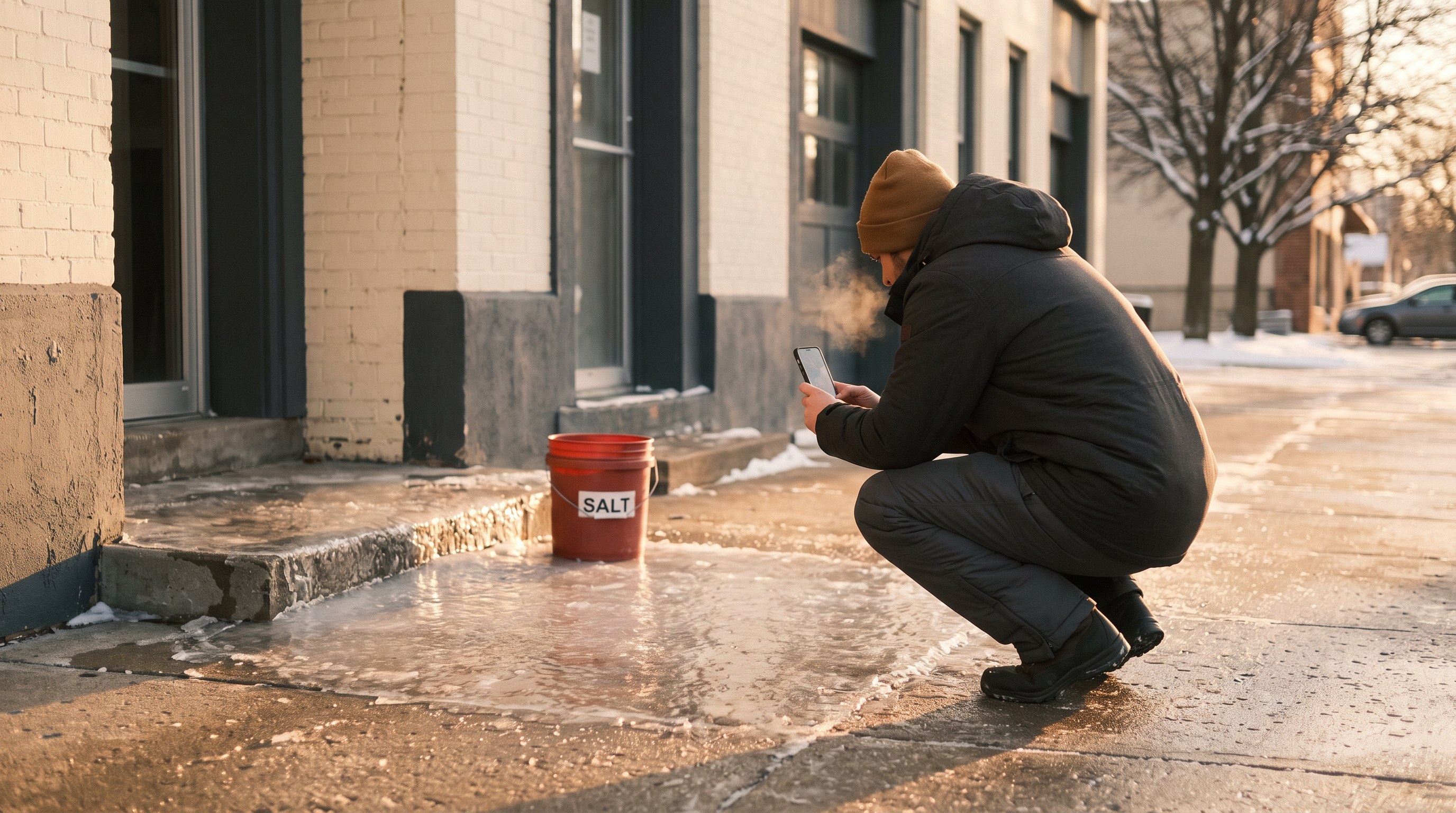
Ice and snow. Winter is not an excuse. The 2023 case that changed the open and obvious rule was itself a fall on snow and ice at a gas station. The Court held the owner had a duty to use reasonable care against ice and snow that builds up naturally. That means reasonable steps within a reasonable time after it builds up. Kandil-Elsayed, 512 Mich 95.
Your share of fault. If you were partly at fault, your award goes down by your share of the blame. The law calls this comparative fault. If your share is bigger than everyone else's put together, you get nothing for pain and suffering. MCL 600.2959.
Tell us what happened at askazzo.com, or call 844-ASK-AZZO (844-275-2996). The office is at 33687 Woodward Ave in Birmingham.