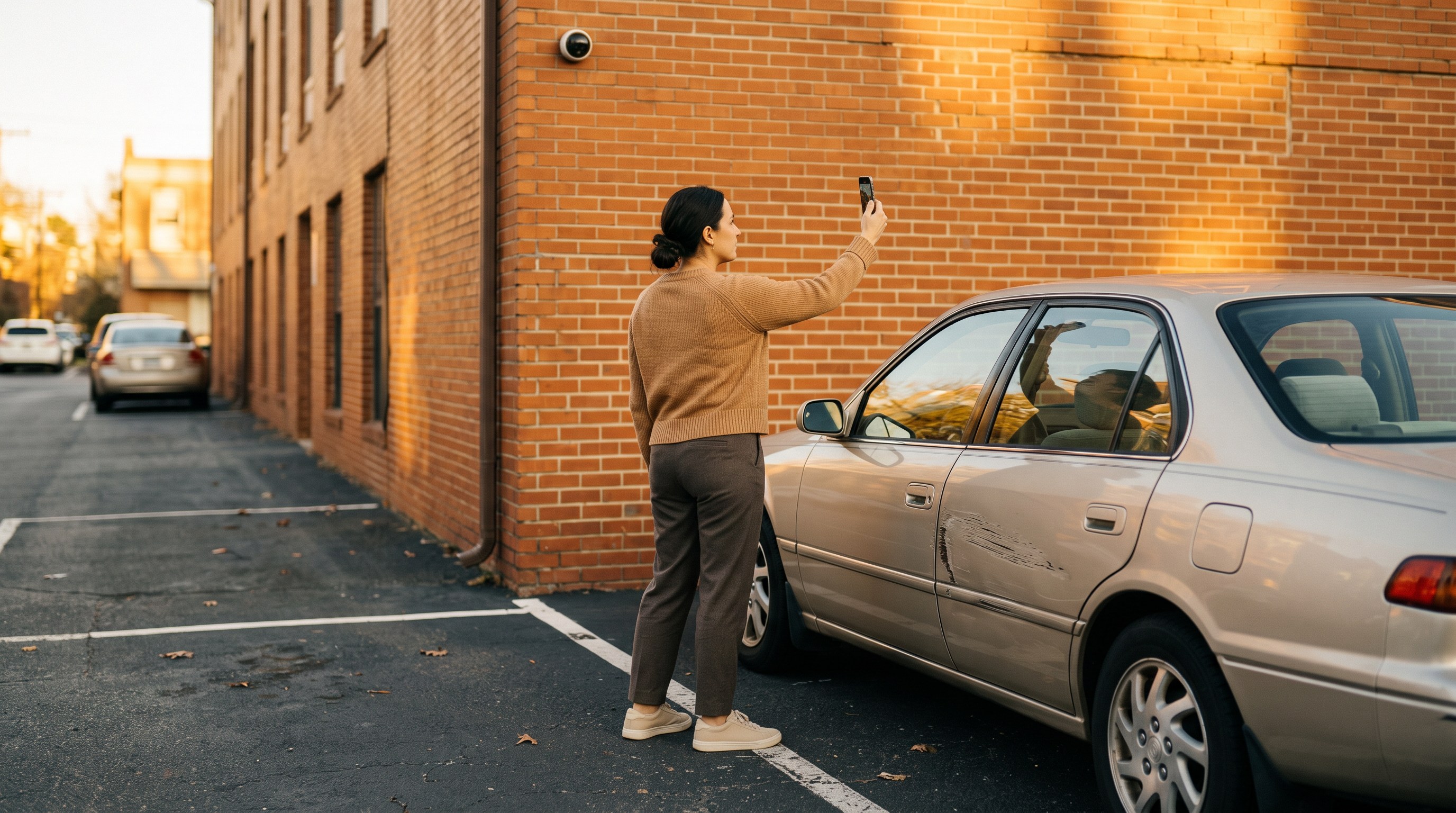
Your own no-fault policy still pays your medical bills and lost wages. That is true even if the other driver had no insurance or drove off. If no policy applies to you, you can usually still claim through the Michigan Assigned Claims Plan. MCL 500.3114(1), MCL 500.3172(1).
What makes these cases different is that there is often no other insurance company to pay for pain and suffering. That money usually has to come from your own policy, through uninsured motorist coverage. That coverage is a contract, and the contract sets the rules. That includes how fast you must report a hit-and-run, which can be as short as 30 days. DeFrain v State Farm, 491 Mich 359 (2012).
Where the money comes from after a hit-and-run
Your own PIP coverage. PIP is the no-fault part of your own auto policy. It pays medical care and lost wages no matter who caused the crash. It covers you, your spouse, and relatives who live in your home. MCL 500.3114(1).
The Michigan Assigned Claims Plan. If no PIP policy applies to you, or none can be found, you claim through this state plan. The Michigan Automobile Insurance Placement Facility runs it. MCL 500.3171(2), MCL 500.3172(1).
Uninsured motorist coverage (UM). This is an optional add-on to your own policy. It usually pays for harm caused by a driver with no insurance, or a driver who cannot be found. Michigan law does not require it, so the policy itself sets every term. DeFrain, 491 Mich at 367.
Underinsured motorist coverage (UIM). This one helps when the other driver had some insurance, but not enough to cover your losses. It is also optional, and the policy controls how it works. Dawson v Farm Bureau, 293 Mich App 563, 568 (2011).
The driver who caused the crash. If the driver is identified, you can sue them, but a driver with no insurance often has very little you can collect. So we go after the insurance money that is actually there first.
Tell us what happened at askazzo.com, or call 844-ASK-AZZO (844-275-2996). The office is at 33687 Woodward Ave in Birmingham.